NEXTPAGE
Insights

UX Insights & White Papers

Evidence-based design frameworks, regulatory strategy, and human-centric architecture for digital health platforms.

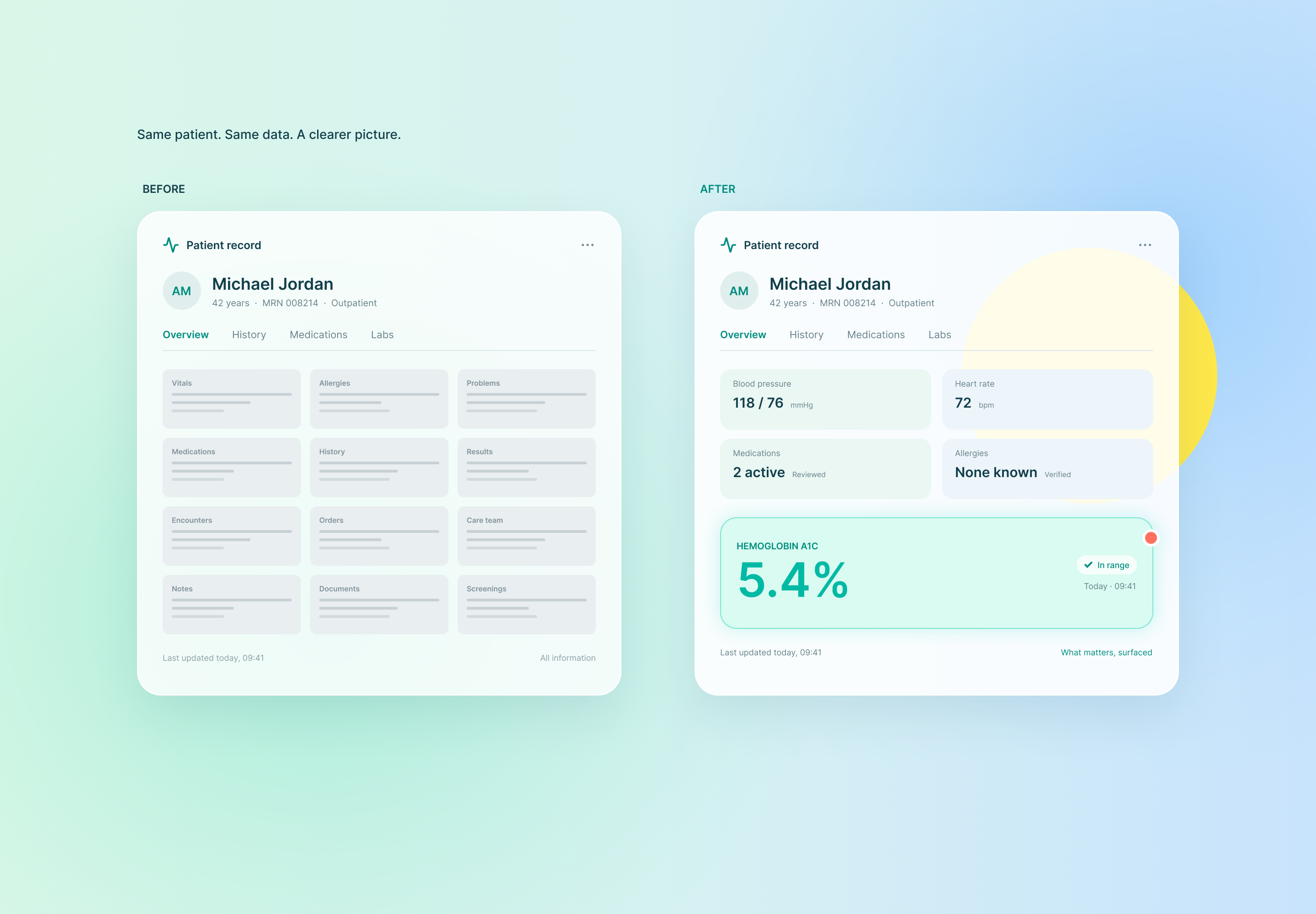
Two patient record screens side by side: a cluttered one and a decluttered one with a single critical lab value highlighted
Ref: UX-2026-01 HIPAA

Clinical Systems

De-Risking the EHR: Minimizing Clinician Cognitive Load in High-Stress Environments

Abstract: How visual hierarchy, interface decluttering, and error-reduction patterns help ICU clinicians find critical data faster, with fewer input mistakes under pressure.

Read Article
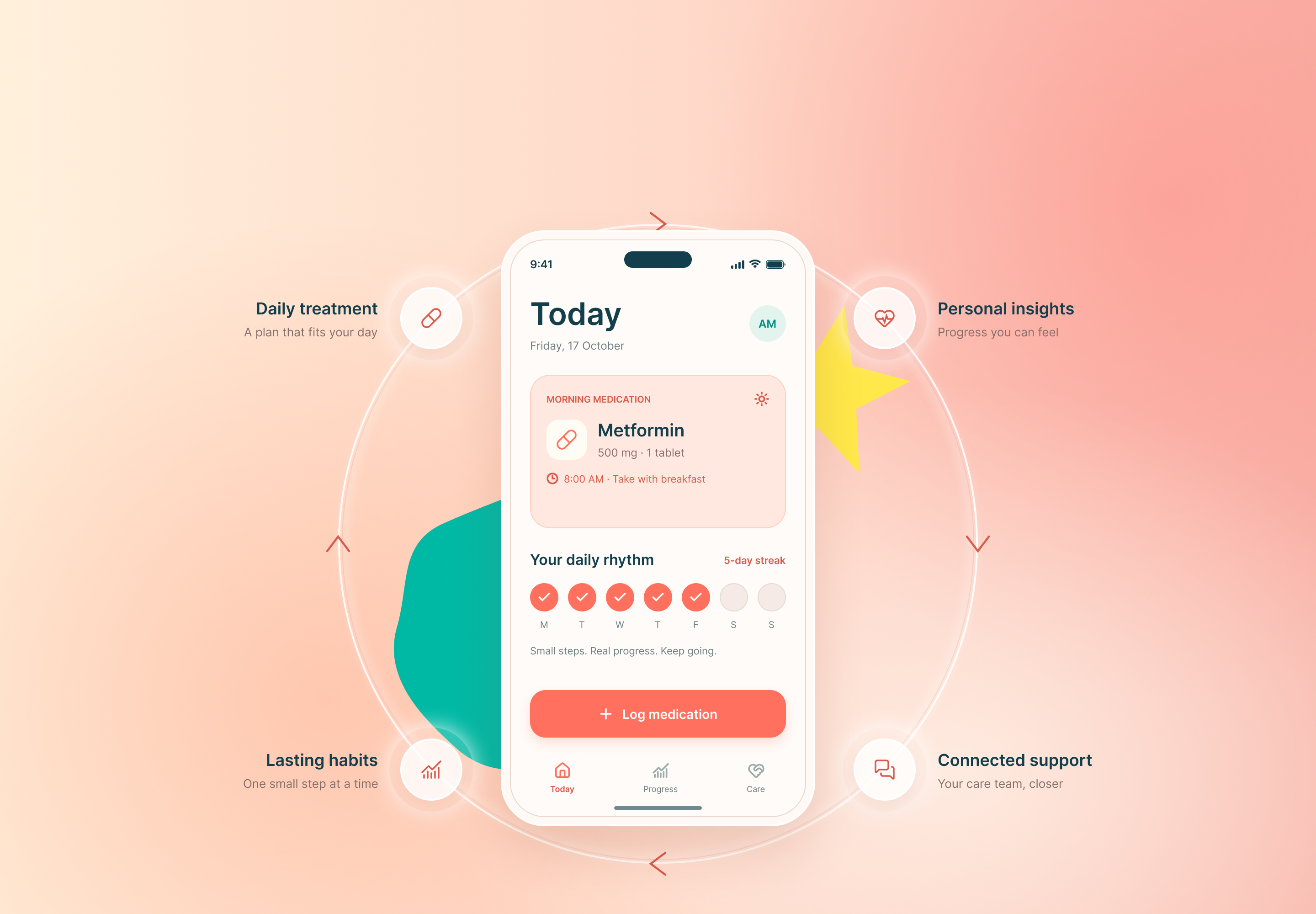
Smartphone showing a daily medication screen and weekly streak, surrounded by a circular engagement loop
Ref: UX-2026-02 GDPR

Behavioral Health

Designing for Digital Therapeutics: Behavioral Architecture and Patient Adherence

Abstract: A framework for engagement loops and motivation design that sustains adherence, paired with GDPR-compliant patient data collection models that keep consent meaningful.

Read Article
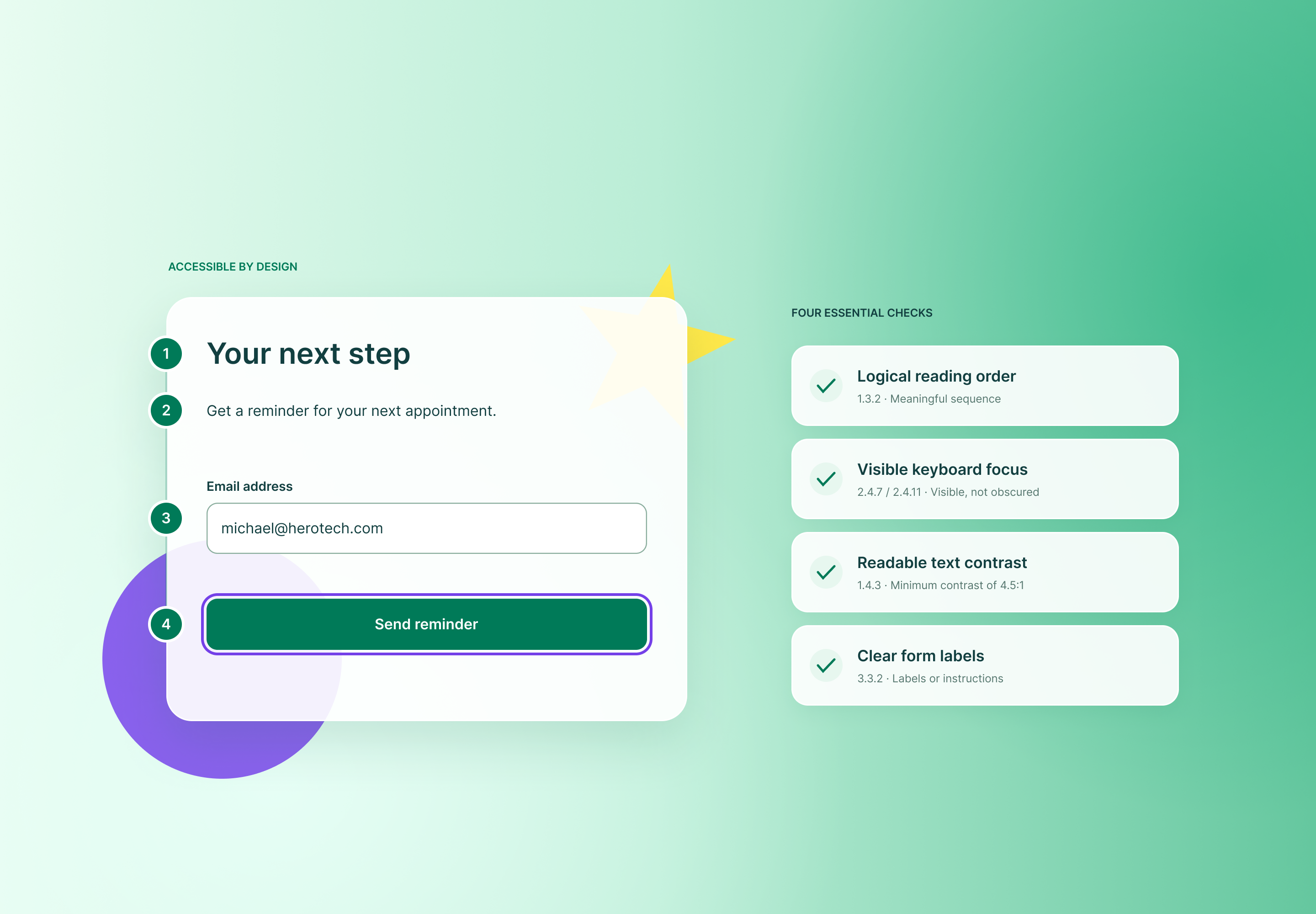
A UI card annotated with reading order numbers, a focus ring on the button, a 4.5:1 contrast label and an accessibility checklist
Ref: UX-2026-03 WCAG 2.2

Accessibility

The 2026 Accessibility Audit Checklist: Transitioning Health Platforms to WCAG 2.2 Standards

Abstract: A practical audit covering color contrast rules, screen-reader optimizations, and inclusive patterns that ensure every patient can use your platform independently.

Read Article
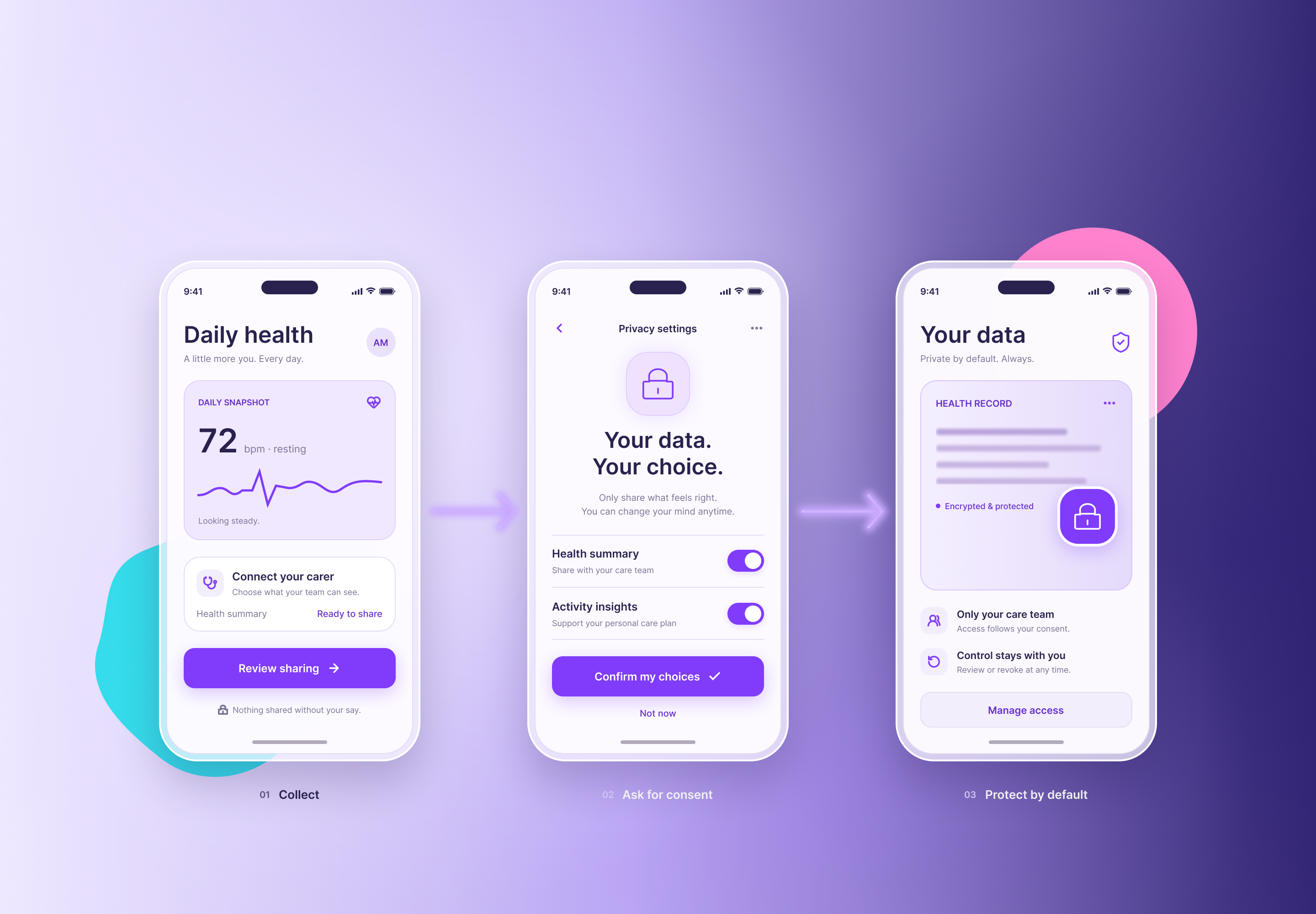
Three-screen mobile flow with a consent gate in the middle showing a lock and toggles, leading to a protected patient data card
Ref: UX-2026-04 HIPAA

Regulatory UX

Privacy-by-Design: Mapping Seamless User Flows Through Complex HIPAA Data Guardrails

Abstract: How active consent interactions, encrypted dashboard states, and visible security badges build user trust while keeping flows fast and compliant.

Read Article
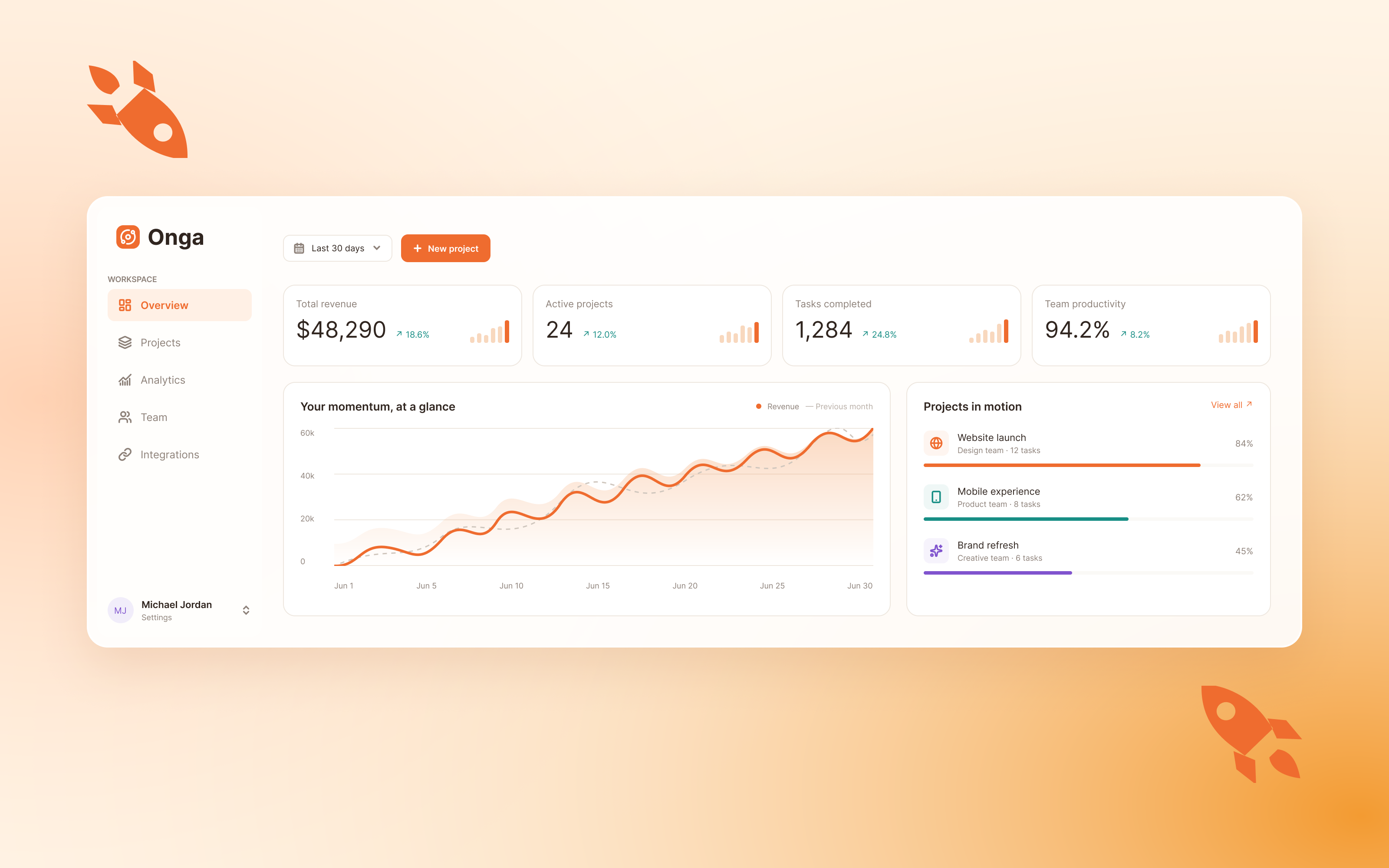
Product dashboard above a timeline from 0:00 to 3:00 with three marked moments: a hero state, a persona switch and an interoperability link
Ref: UX-2026-05 Pitch Readiness

Founder Strategy

The 3-Minute Demo: How Your Interface Decides Whether You Close the Round

Abstract: Why investors judge your science through your interface in the first three minutes, and a three-step demo overhaul: a high-impact hero state, persona-switch flows, and visible interoperability.

Read Article
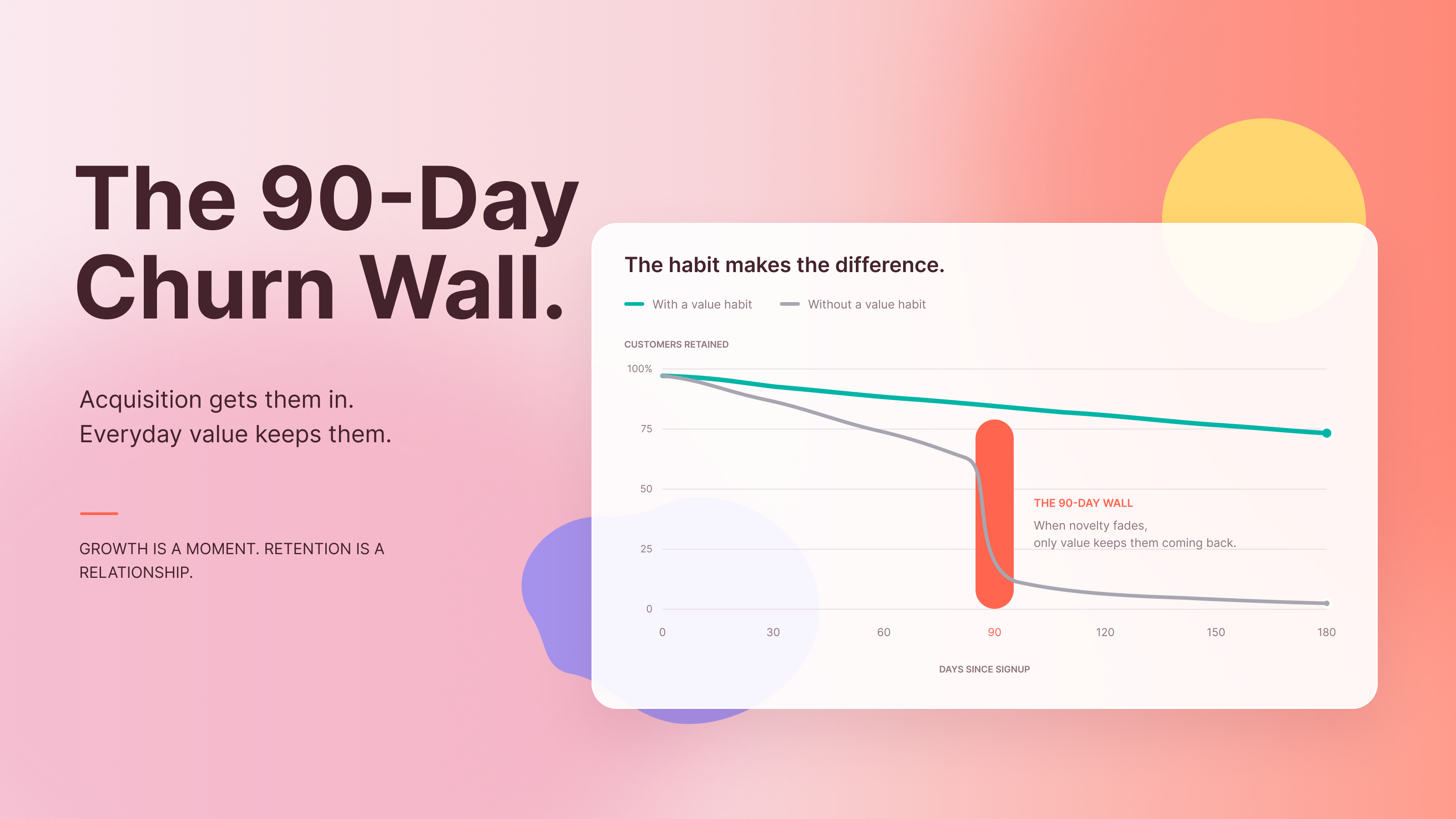
Line chart where one patient retention line drops sharply at a tall wall while a second line declines slowly and stays higher
Ref: UX-2026-06 Patient Retention

Behavioral Health

The 90-Day Churn Wall: Why Patients Quit Your App and How Behavioral Design Keeps Them

Abstract: Why patients quit health apps within weeks, and three behavioral design changes that keep them: staged onboarding, honest micro-feedback, and trust built into the interface.

Read Article
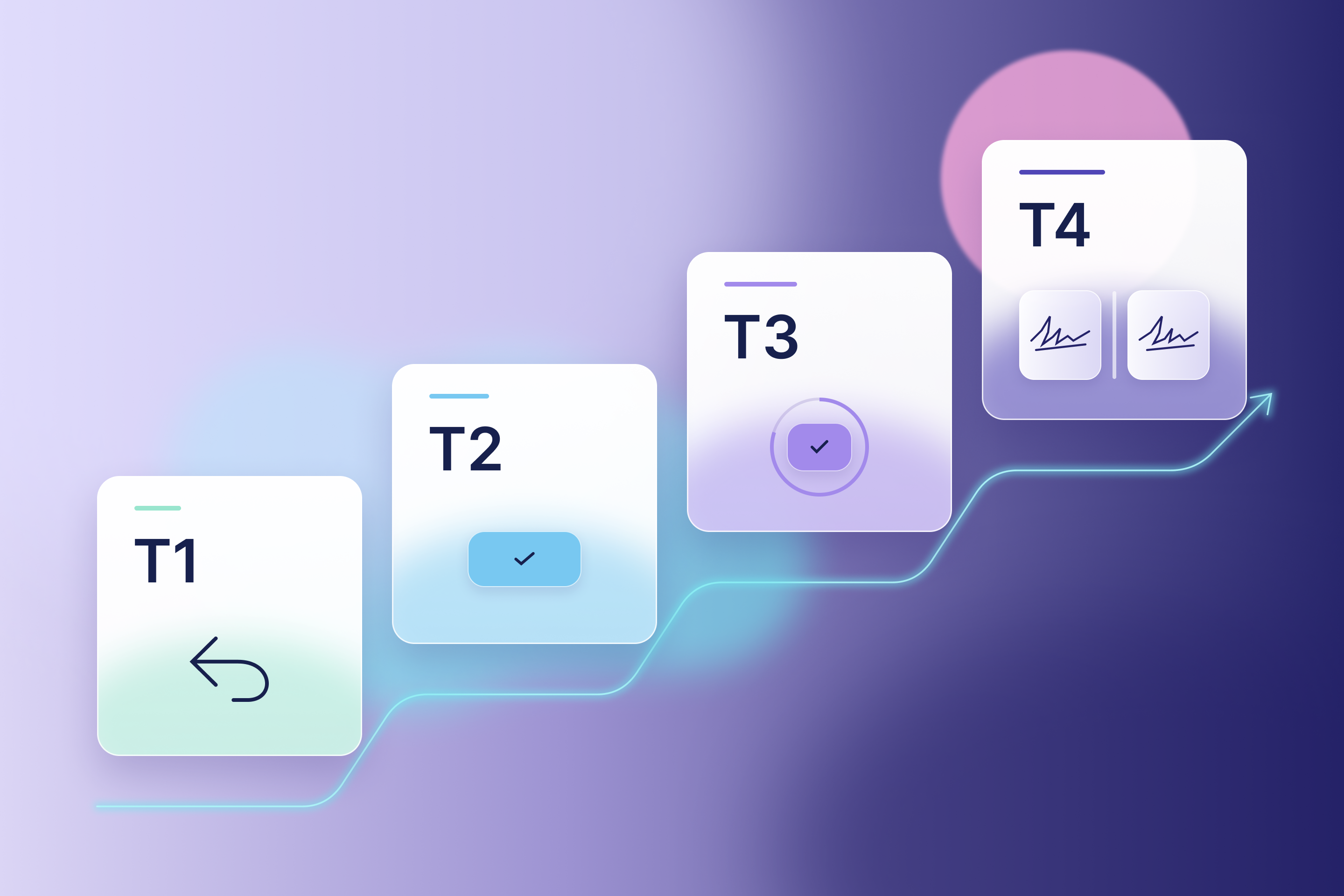
Four-step ladder showing interface friction rising from T1 (instant undo) to T4 (blind dual signature) as clinical hazard increases
Ref: UX-2026-07 SaMD White Paper

Regulatory UX

Designing for High-Stakes Medicine: UI/UX Frameworks for Mitigating Clinical Error and Securing Patient Data in SaMD Interfaces

Abstract: The Proportional Friction Framework: hazard-tiered interface design, ambient privacy modes, and server-enforced role-bound visualization for clinical software.

Read Paper
Four data source cards (lab, imaging, medication and documents) converging into one unified patient timeline with provenance chips
Ref: UX-2026-08 FHIR White Paper

Clinical Systems

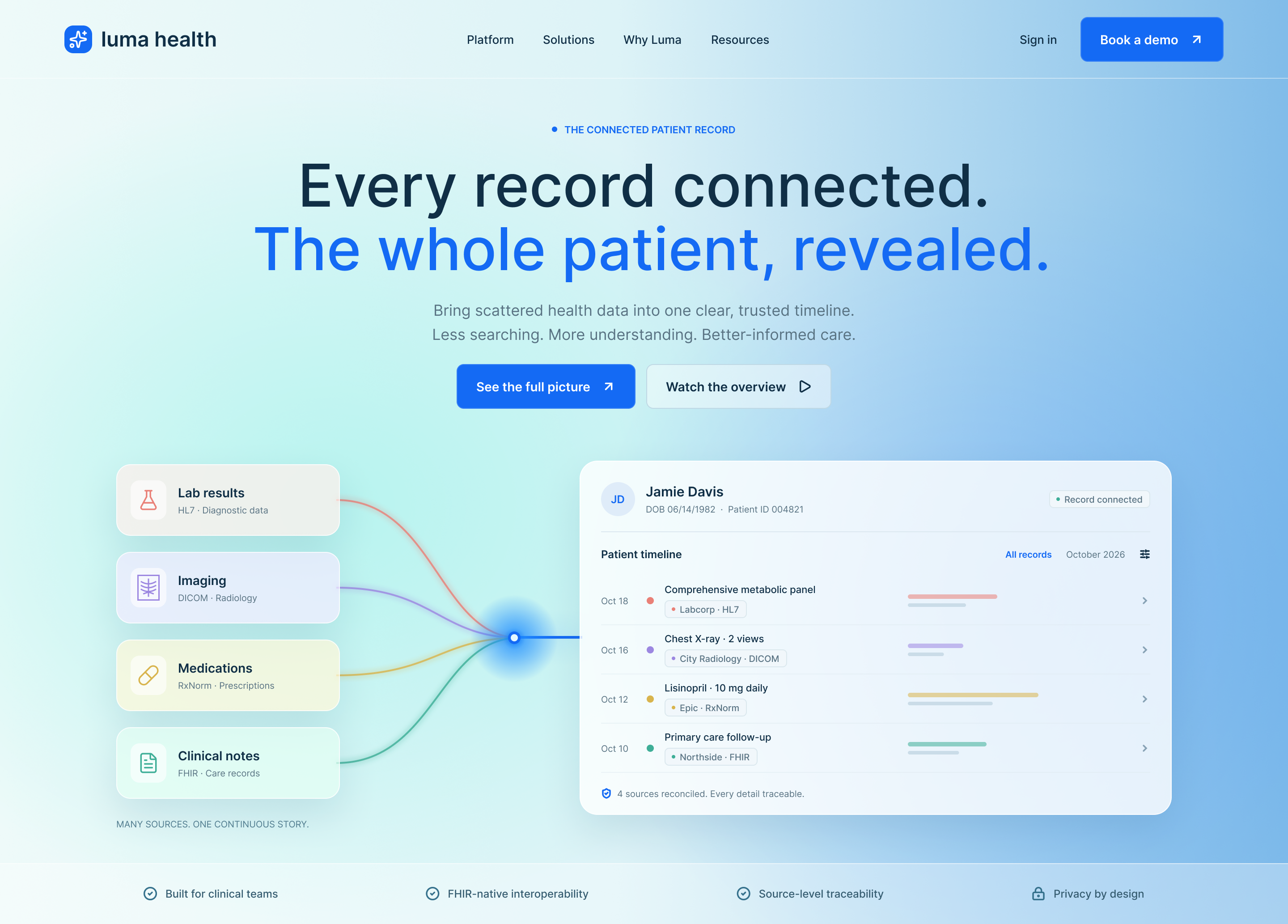
The Interoperability Interface: Visualizing Multi-Source FHIR Data Streams to Eliminate Clinician Context-Switching

Abstract: The Convergence Surface Model: reconciling multi-source FHIR data into one clinical interface, with provenance, graceful degradation, and latency-aware design.

Read Paper
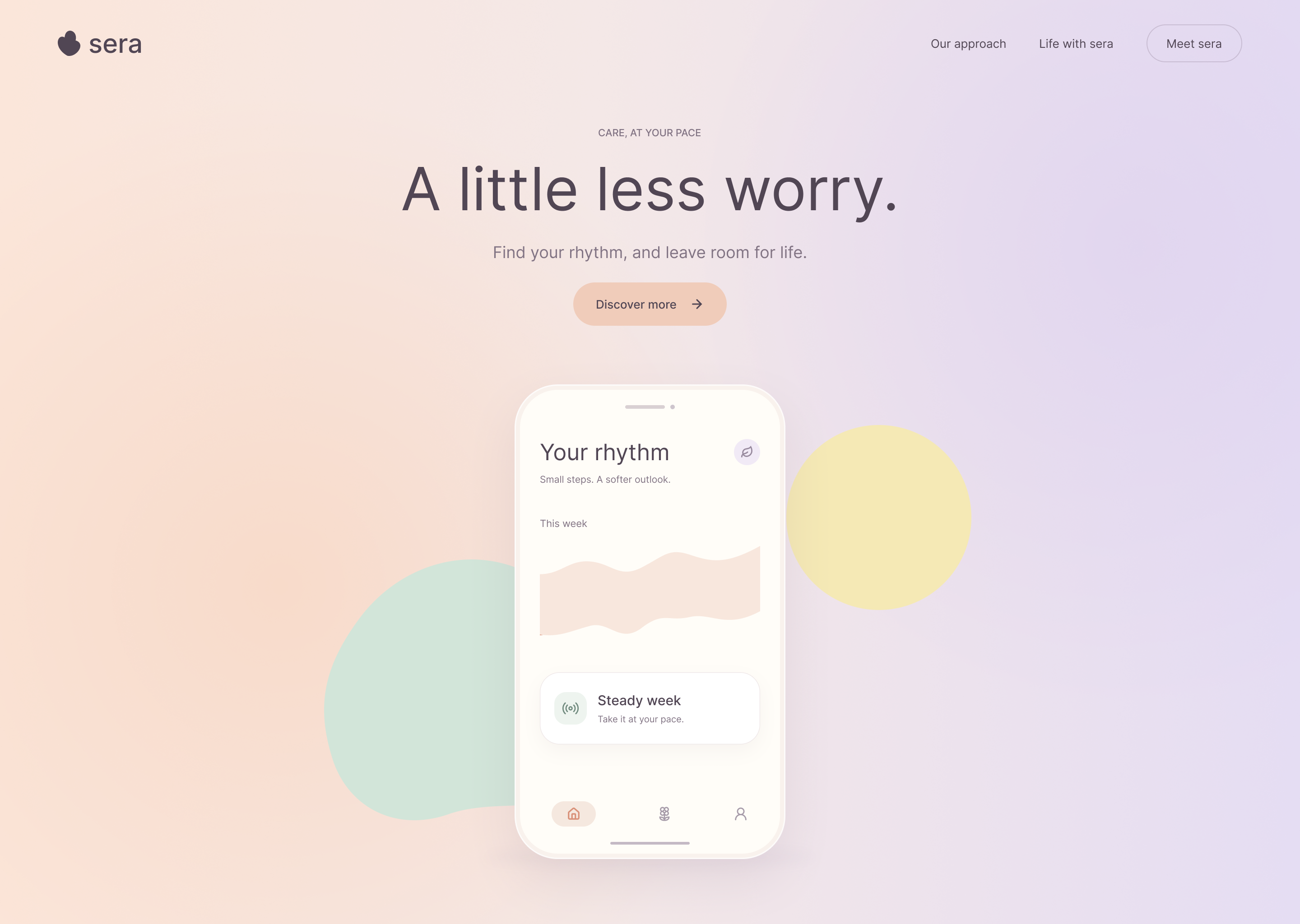
Smartphone showing a calm weekly trend with a soft band and gentle line, and a Steady week card with a small sensor icon
Ref: UX-2026-09 Chronic Care White Paper

Behavioral Health

Mitigating Adherence Anxiety: Behavioral UX Architectures for Sustained Patient Engagement in Chronic Care Applications

Abstract: The Load-Aware Engagement Architecture: low-friction onboarding, de-escalating data visualization, and passive data capture for sustained engagement in chronic care apps.

Read Paper

Design Capsule

Join healthtech teams reading our monthly newsletter on compliance, usability, and patient-centered design.

One email a month. No spam. Unsubscribe anytime.